

Ireland’s Housing Model: Urban Density, Typology, and the Role of Architectural Design
Ireland’s housing challenge is often discussed in terms of supply: how many homes are delivered, and how quickly. While delivery remains critical, this framing can obscure a more design-specific question that is increasingly relevant to how Irish cities are evolving.
That question is not simply about volume, but about form.
According to Eurostat, nearly 90% of people in Ireland live in houses, the highest proportion in the European Union. At the same time, the OECD notes that although housing delivery has increased in recent years, structural mismatches between supply and demand persist, particularly in urban areas.
Taken together, these indicators point to an important urban design consideration:
Ireland’s housing model is not only defined by output, but by a relatively narrow range of housing typologies shaping its cities.
A clear shift toward enabling urban housing delivery
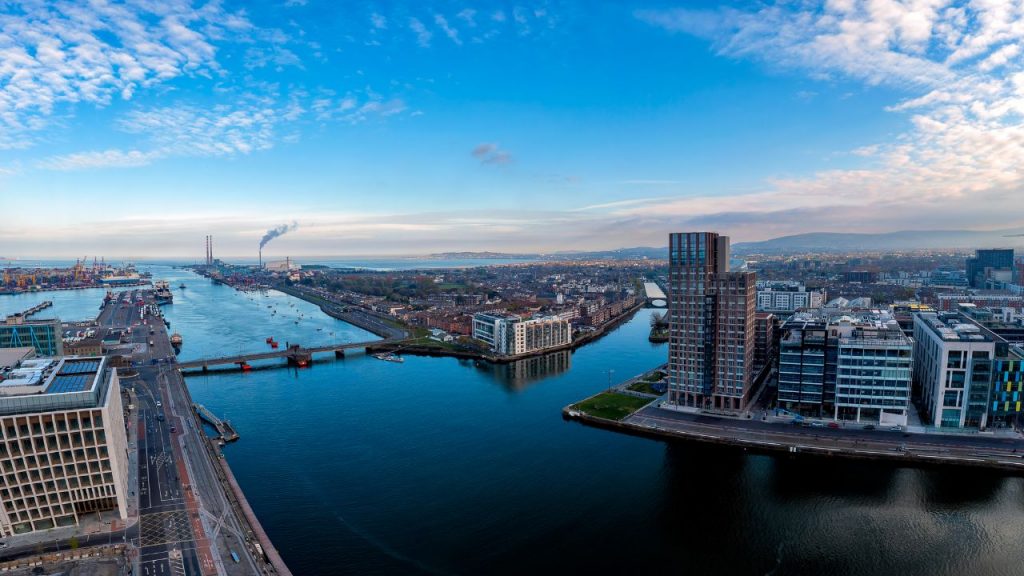
It is important to recognise the significant policy and regulatory efforts underway to support more compact urban growth.
The Housing for All strategy has placed increased emphasis on urban regeneration, higher-density development, and improved housing affordability. This has been complemented by targeted initiatives such as the Croí Cónaithe (Cities) Scheme, which supports apartment delivery in urban centres by addressing viability gaps in city-centre development.
Alongside this, evolving apartment design standards and planning guidance reflect a broader shift: a recognition that urban housing delivery requires both policy support and viable, buildable typologies.
These interventions represent a meaningful step toward enabling greater urban density, particularly in Dublin and other major cities.
Density as an architectural and urban design challenge
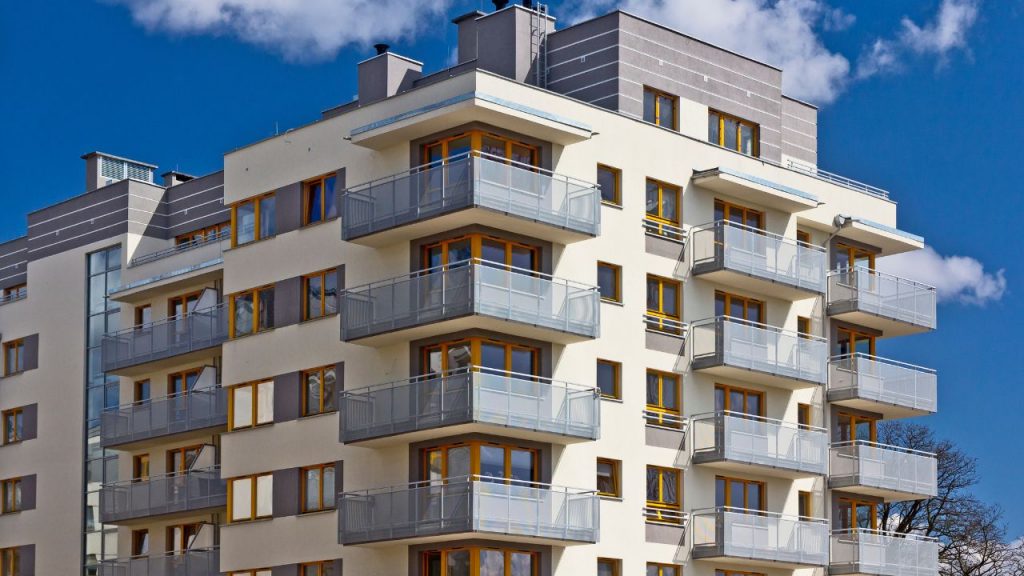
While density is often discussed in policy terms, its success is ultimately determined at the level of urban design and architectural execution.
Density is not a single outcome, it is a spatial condition shaped by building form, block structure, and the relationship between private and public realm.
Successful urban density typically depends on:
- Clear street definition and enclosure
- Appropriate building heights and scale transitions
- Active ground floor frontages and mixed-use edges
- Permeable block structures that support movement and connectivity
- Efficient apartment planning that balances privacy, daylight, and aspect
- Integration with public transport and civic infrastructure
When these elements align, higher-density environments can deliver not only efficiency, but also legibility, comfort, and long-term urban value.
The dominance of two housing models
Despite policy shifts toward compact growth, Ireland’s housing delivery continues to be characterised by two dominant models:
- Low-density suburban housing estates
- Apartment-led urban schemes, often in larger consolidated blocks
Each model serves a purpose, but both have limitations when considered in isolation.
Suburban housing estates typically offer spatial comfort and familiarity but consume significant land and often lack urban structure or long-term adaptability.
At the other end of the spectrum, apartment schemes deliver higher density but can sometimes struggle to achieve the fine-grain urban character found in established European cities, particularly where block scale becomes overly large or inward-facing.
What is less prevalent in Ireland is the intermediate typology range that often underpins successful European urbanism.
The missing middle in Ireland’s Housing Model: mid-rise urban typologies
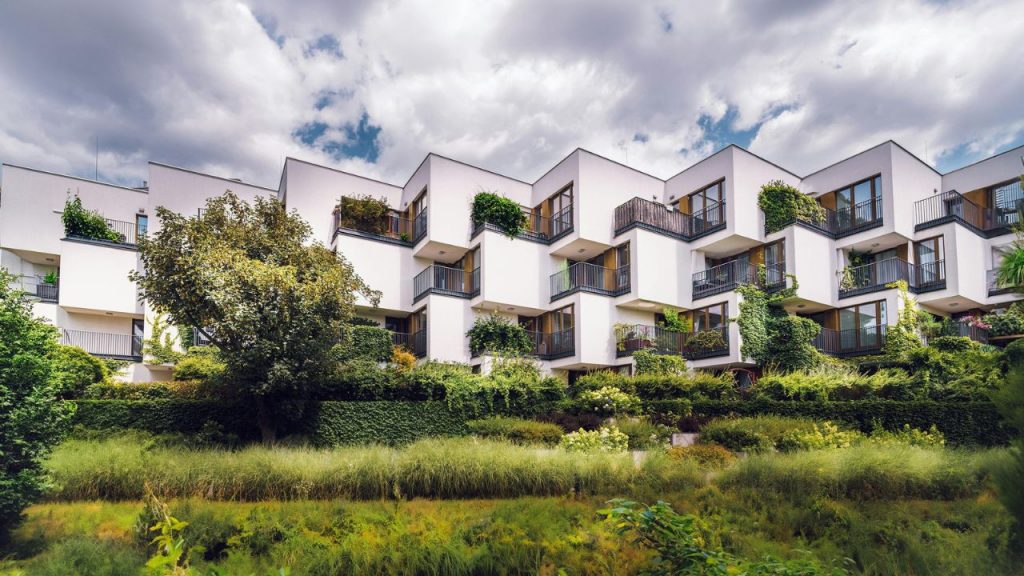
Across many European cities, medium-density typologies play a critical role in shaping liveable and resilient urban environments. These include:
- Perimeter block developments
- Mansion blocks
- Mid-rise courtyard housing
- Street-based apartment buildings with articulated façades
These forms typically sit between four and seven storeys and are characterised by a strong relationship to the street, clearly defined edges, and a mix of residential typologies within a coherent urban block.
They are particularly effective because they:
- Achieve meaningful density without high-rise reliance
- Maintain human-scale streetscapes
- Support active, continuous frontages
- Allow for incremental urban growth and adaptation over time
In cities such as Copenhagen, Amsterdam, and parts of Berlin, these typologies form the backbone of urban neighbourhoods, delivering both density and long-term place quality.
Rebalancing density in the Irish context
Ireland’s housing model increasingly focuses on apartment delivery is a necessary and positive development in addressing housing demand, particularly in urban centres. However, the typological range of development remains relatively narrow.
In many cases, apartment-led schemes are delivered at scale in isolated blocks, with limited variation in massing or street structure. While efficient in planning and construction terms, this approach can sometimes limit opportunities for finer-grain urban integration.
There is therefore an emerging opportunity to expand the typological toolkit used in Irish urban development.
This does not mean replacing apartments or suburban housing, but rather complementing them with a broader range of mid-rise, street-based forms that can better mediate between scale, density, and urban character.
Architecture as a delivery mechanism for better cities
Within this context, architecture plays a defining role not only in the design of individual buildings, but in shaping the structure of urban neighbourhoods.
Good architectural and urban design practice can:
- Translate density targets into coherent urban form
- Ensure viability through efficient yet flexible layouts
- Strengthen the relationship between buildings and public realm
- Improve long-term adaptability of housing stock
- Enhance the quality and identity of new urban districts
Crucially, this is not an abstract design exercise. It directly influences whether higher-density housing is deliverable, liveable, and socially sustainable.
Expanding the language of urban housing
Ireland’s housing system is evolving, supported by increasing policy focus on compact growth, urban regeneration, and improved housing delivery mechanisms such as Croí Cónaithe (Cities).
The next stage of this evolution lies not only in increasing output, but in expanding the range of urban housing typologies being delivered.
For Ireland’s cities to grow sustainably, density must be understood not as a single metric, but as a designed condition, shaped by architectural decisions at building, block, and neighbourhood scale.
To learn more about our approach to sustainable apartment living and urban housing design, read our recent insights here: Sustainable Apartment Living in Ireland: Getting Urban Density Right